 Braintree Electrical Services
Guide
What is an EICR?
An EICR is an Electrical Installation Condition Report, a formal record of whether a property's wiring and electrical systems are safe to keep using.
- Send a short enquiry
- Covering Essex
- EICR and related services
An EICR is an Electrical Installation Condition Report: a formal record of an inspection and testing of the fixed wiring and electrical installation in a property. It tells you whether the installation is safe to keep using and lists any damage, wear or faults that need attention. You may also hear it called an EICR certificate, an EICR check or a condition report, and they all mean the same thing.
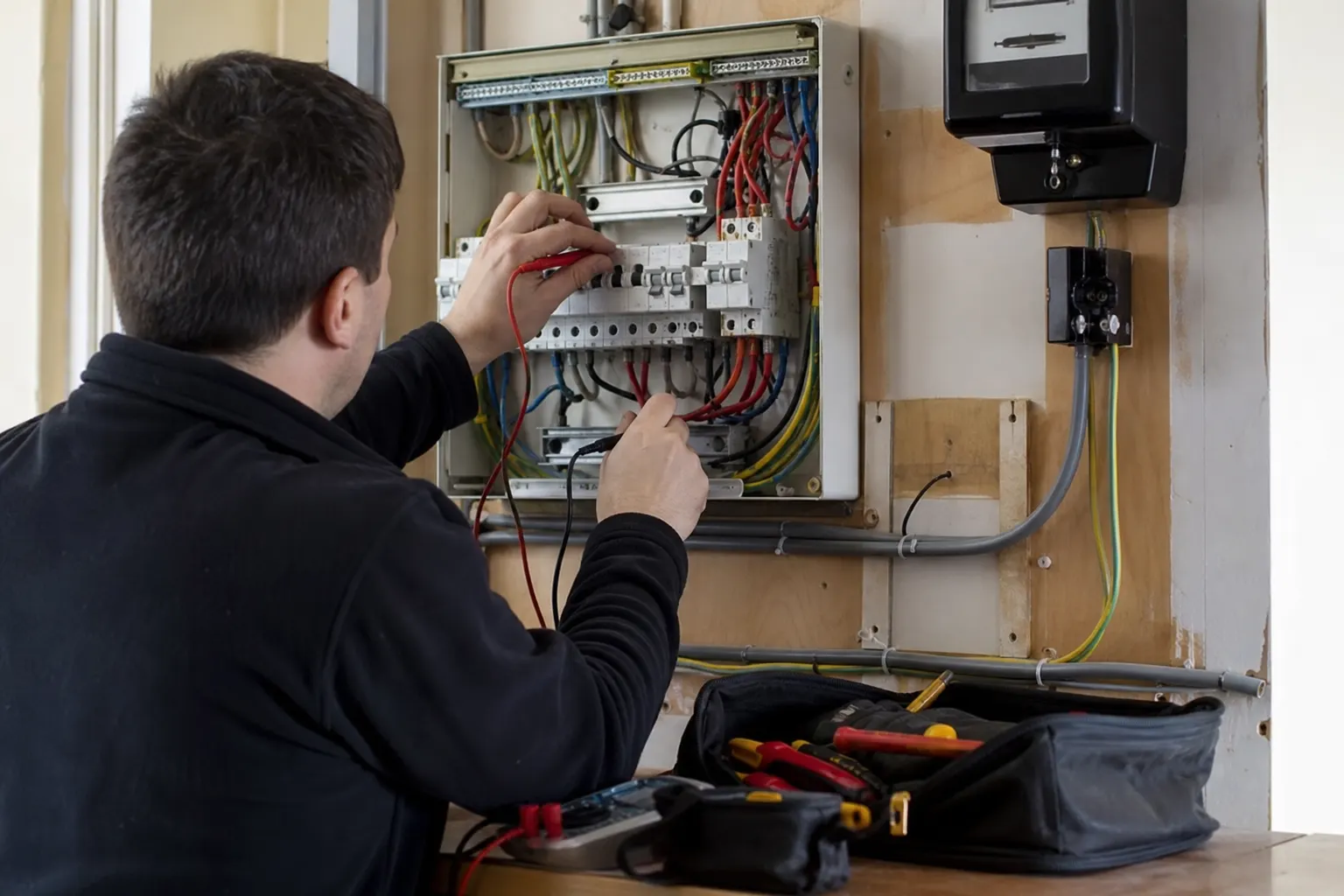
What an EICR actually checks
The purpose of an EICR is to assess the electrical installation against the current wiring standards, known as BS 7671. A qualified electrician inspects what is fixed in the property: the consumer unit (fuse board), circuits, sockets, light fittings, switches, earthing and bonding, and the condition of visible cable.
The inspection has two parts. First comes a visual check for damage, overheating, poor connections or signs of unsafe DIY work. Then comes testing with specialist instruments, which measure things like insulation resistance, earth connections and how quickly protective devices respond to a fault. Some of this needs the power switched off for a time, so expect some disruption.
An EICR does not normally cover plug-in appliances. That is a separate job called portable appliance testing.
Understanding the result
The report gives an overall outcome of satisfactory or unsatisfactory. Anything found is recorded with a code:
C1 means danger is present and there is a risk of injury. This needs urgent attention.
C2 means potentially dangerous. It also needs urgent attention.
C3 means improvement is recommended. It is not classed as dangerous.
FI means further investigation is required, because the inspector could not tell the full picture from the inspection alone.
A C1, C2 or FI code generally means the report is unsatisfactory until the issue is dealt with. A C3 on its own does not usually cause a fail. If the report is unsatisfactory, the remedial work should be done as soon as possible, and you should keep the paperwork showing it was completed.
Who needs an EICR
Landlords are the group most often asked for one. Private landlords have legal duties to keep the electrical installation safe and to have it inspected and tested at regular intervals, and to give tenants a copy of the report. The detail differs between England, Scotland, Wales and Northern Ireland, and the rules can change, so check GOV.UK for the current position before relying on this guide.
Homeowners are not usually legally required to have an EICR, but it is sensible if you have just bought an older property, have never seen an electrical report, or are planning major work. Inspectors normally recommend a longer gap between reports for an owner-occupied home than for a rental, and the report itself states when the next one is due.
Selling a house does not generally require an electrical safety certificate, but buyers, solicitors or mortgage lenders sometimes ask for a recent EICR. Having one ready can avoid delays, and your solicitor can tell you what applies to your sale.
How long an EICR takes and how to prepare
The time depends on the size of the property, the number of circuits and how easy everything is to reach. A small flat can often be done in a few hours, while a large house, or one with several consumer units, can take longer, sometimes a full day. If faults are found, extra time may be needed to investigate.
To help things run smoothly, make sure the electrician can reach the consumer unit, meter and any outbuildings with their own supply. Move furniture away from sockets where you can, and warn anyone in the property that the power will be off at times. Tenants should be given notice, and landlords should arrange access in good time.
How EICR pricing works
There is no single fixed rate for an EICR, because the job varies from one property to the next. Electricians usually price by the size of the installation, in particular the number of circuits and consumer units, rather than by the hour alone. Some quote a fixed price for the inspection, others work from an hourly rate plus a callout element.
What moves the cost: the size of the property, how many circuits it has, how accessible the wiring and consumer unit are, whether the property is occupied or empty, and the time of day or week the work is done. Any repair work needed after an unsatisfactory result is usually priced separately, including parts and labour.
The best approach is to ask for a written quote that states exactly what the inspection covers and how any follow-up work would be charged.
Choosing someone to carry out the inspection
An EICR is only as reliable as the person who completes it, so ask who will be doing the inspection and whether they are qualified to carry out periodic inspection and testing. Reputable electricians will be happy to explain their qualifications and show the paperwork they provide.
Braintree Electrical Services offers EICR inspections and serves Braintree and the wider Essex area. Whoever you choose, make sure you receive the full written report, not just a summary or a pass mark.
Common questions
How long does an EICR test take?
It depends on the property. A small flat may take a few hours, while a larger home with many circuits can take much longer. Access to the consumer unit and any faults found will also affect the time.
Who needs an EICR?
Landlords have legal duties to have the electrical installation inspected and tested at regular intervals. Homeowners are not usually required to, but it is wise for older properties or before major work. Check GOV.UK for current rules.
Can I sell my house without an electrical safety certificate?
Generally there is no legal requirement to hold an EICR to sell a home, but buyers or solicitors may ask for one. Ask your solicitor what applies to your sale.
How much does an EICR cost?
It varies with the size of the property, the number of circuits, access and how the electrician prices the job. Ask for a written quote that sets out what is included and how any repair work would be charged.
Useful sources
- NICEIC: The electrical contracting body, with a register to check an electrician.
- GOV.UK: electrical safety standards in the private rented sector: The official guidance for landlords, tenants and councils on electrical safety checks.