 Braintree Electrical Services
Guide
How to get an EICR
Getting an EICR means booking a qualified electrician to inspect and test your wiring and issue a written condition report. Here is how it works step by step.
- Send a short enquiry
- Covering Essex
- EICR and related services
To get an EICR, book a competent, qualified electrician to carry out an electrical installation condition report on your property. They inspect and test the fixed wiring, then give you a written report that says whether the installation is satisfactory and lists any remedial work needed. Braintree Electrical Services offers EICRs and serves Braintree and the wider Essex area.
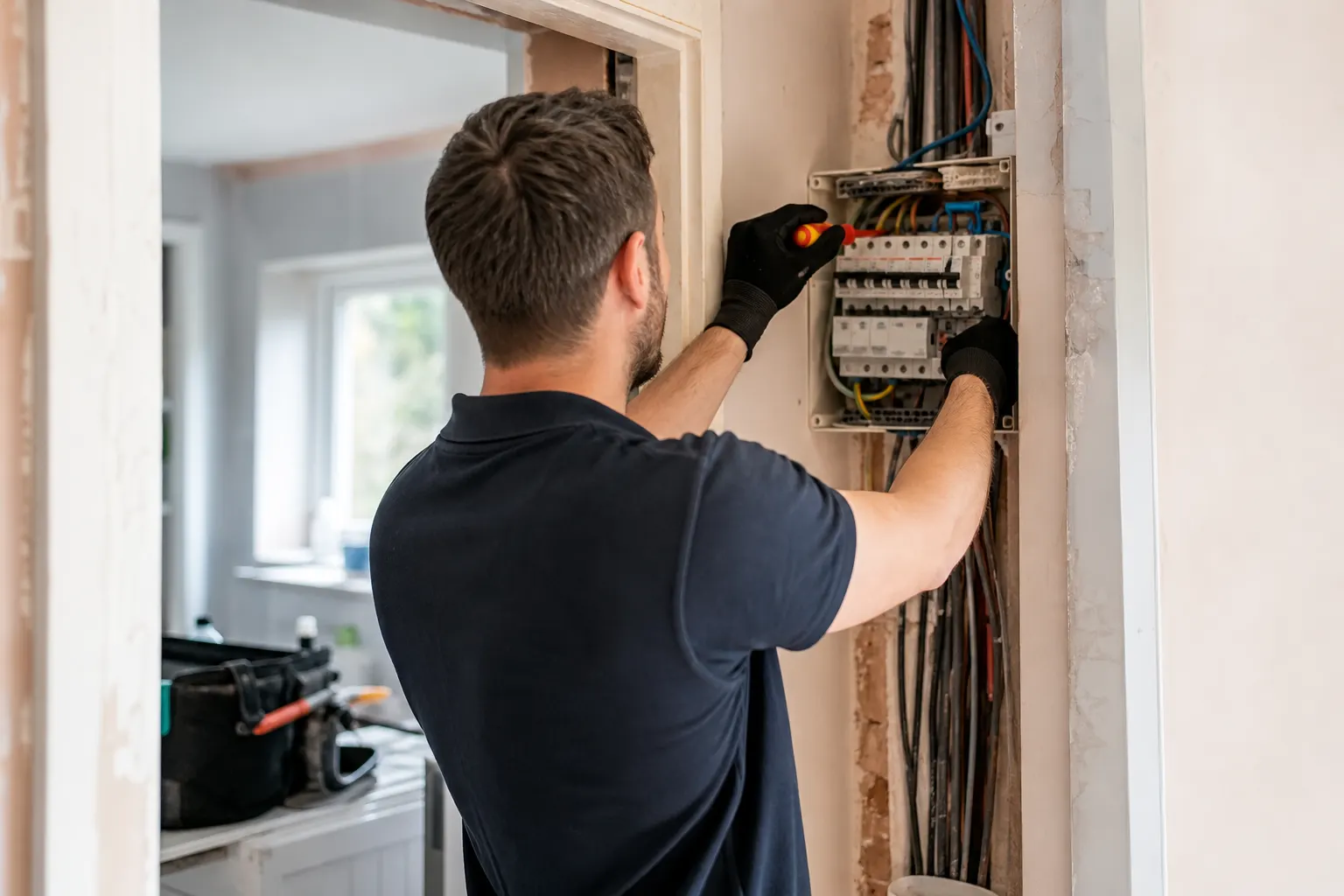
What an EICR actually is
An EICR is an electrical installation condition report. It is a formal record of the condition of the fixed electrical installation in a home or business: the consumer unit (fuse board), circuits, wiring, sockets, switches and light fittings. It is not a pass-or-fail certificate in the way an MOT is, although the overall result is given as satisfactory or unsatisfactory.
The electrician carries out visual inspection and testing. They check for damage, wear, overloaded circuits, poor connections, missing bonding and anything that could cause shock or fire. The report is about electrical safety, so it does not cover portable appliances such as kettles or lamps.
Step by step: how to get one
First, decide why you need it. Common reasons are renting out a property, buying or selling, a worry about old wiring, or simply wanting to know the condition of the installation. Tell the electrician this when you enquire, as it can affect how the report is presented.
Second, gather what you know: the type of property, roughly how many circuits or rooms there are, whether there is more than one consumer unit, and the age of the wiring if you know it. Any previous reports or certificates are useful too.
Third, ask for a written quote and confirm what it includes. Fourth, arrange a visit. You can start the request online, but the inspection itself must be done in person, because the testing needs hands-on access to the installation.
Finally, make sure the power can be switched off for parts of the visit and that the electrician can reach the consumer unit, loft hatches, and any outbuildings or garages on the same supply.
Who can carry out an EICR
Not every electrician is suited to inspection and testing. It is a specialist skill that needs up-to-date knowledge of the wiring regulations (BS 7671) and the right calibrated test equipment. Ask whether the person has experience of periodic inspection, which scheme they are registered with, and whether they hold appropriate insurance. Reputable electricians will be happy to answer.
Can you do your own? In practice, no. A report is only worth having if the person signing it is competent to judge the installation. A landlord, letting agent or mortgage lender is unlikely to accept a report from an unqualified person, and getting it wrong could put people at risk.
How the cost is worked out
EICR pricing depends on the size and complexity of the installation, not a single standard rate. Some electricians quote a fixed price for the inspection, others charge by time, and some add a callout fee. What moves the cost:
• The number of circuits and consumer units, and the size of the property. • Access: hidden fuse boards, locked rooms, lofts or outbuildings take longer. • The condition of the wiring, since older or altered installations need more investigation. • Whether the visit is at a standard or out-of-hours time. • Whether the quote includes the written report only, or also repairs.
Remedial work is normally separate from the inspection, and parts are charged on top where needed. Ask for a written quote that spells out what is and is not included, so there are no surprises.
What happens after the inspection
The report lists observations with codes. C1 means danger is present, C2 means potentially dangerous, and C3 means improvement is recommended. FI means further investigation is required. A C1, C2 or FI usually makes the overall result unsatisfactory, and the problems should be put right promptly. Once remedial work is done, ask for written confirmation or an updated report.
For rented property, landlords generally have legal duties to have the electrical installations inspected and tested at regular intervals, commonly no more than five years, and to give tenants a copy of the condition report. Local authorities can enforce this and can issue penalties where it is not followed. The rules can change, so check GOV.UK for the current position. Homeowners are not usually required by law to have one, but it is sensible before buying, selling, or if the installation is old.
Common questions
How much does an EICR cost?
It depends on the size of the property, the number of circuits, access, the condition of the wiring and how the electrician prices the job. Ask for a written quote showing what is included.
Can I get an EICR online?
You can request one online, usually through an enquiry form, but the inspection and testing must be done in person at the property. Any report that is issued without a visit should not be trusted.
Can a landlord be fined for no EICR?
Yes, local authorities can issue financial penalties to landlords who do not meet their electrical safety duties for rented property. Check GOV.UK for the current rules.
How long does an EICR stay valid?
The report states a recommended date for the next inspection. For rented homes this is often up to five years, but it can be shorter if the electrician has concerns about the installation.
Useful sources
- NICEIC: The electrical contracting body, with a register to check an electrician.
- GOV.UK: electrical safety standards in the private rented sector: The official guidance for landlords, tenants and councils on electrical safety checks.